
Utility bills are a necessary part of everyday life, but they can also become a major financial burden if not managed carefully. Electricity, water, heating, internet, and gas expenses can quickly add up, especially as prices continue to rise in many areas.
The good news is that lowering utility bills does not always require major sacrifices or expensive home upgrades. Small daily habits and smarter energy use can make a noticeable difference over time.
Many households waste money on utilities without realizing it. Simple changes in how you use electricity, water, heating, and appliances can help reduce monthly expenses while creating a more energy-efficient home.
Saving money on utility bills is not just about reducing costs. It is also about building healthier financial habits and becoming more mindful of household consumption.
Why Utility Bills Become Expensive
Many factors contribute to high utility costs.
Common reasons include:
- Leaving lights on unnecessarily
- Running appliances inefficiently
- Excessive heating or air conditioning use
- Water waste
- Poor insulation
- Old appliances
- Lack of energy awareness
Often, small daily habits slowly increase monthly expenses without people noticing.
Understanding where your money goes is the first step toward reducing unnecessary utility costs.
Review Your Utility Bills Regularly
Many people pay their bills each month without carefully reviewing them.
Checking your utility statements can help you:
- Identify unusual increases
- Understand seasonal patterns
- Monitor usage habits
- Spot billing errors
Tracking your utility costs over time makes it easier to recognize areas where improvements can be made.
Reduce Electricity Usage
Electricity is one of the largest household expenses for many families.
Fortunately, there are several easy ways to reduce electricity consumption.
Turn Off Lights When Not Needed
Leaving lights on in empty rooms wastes electricity unnecessarily.
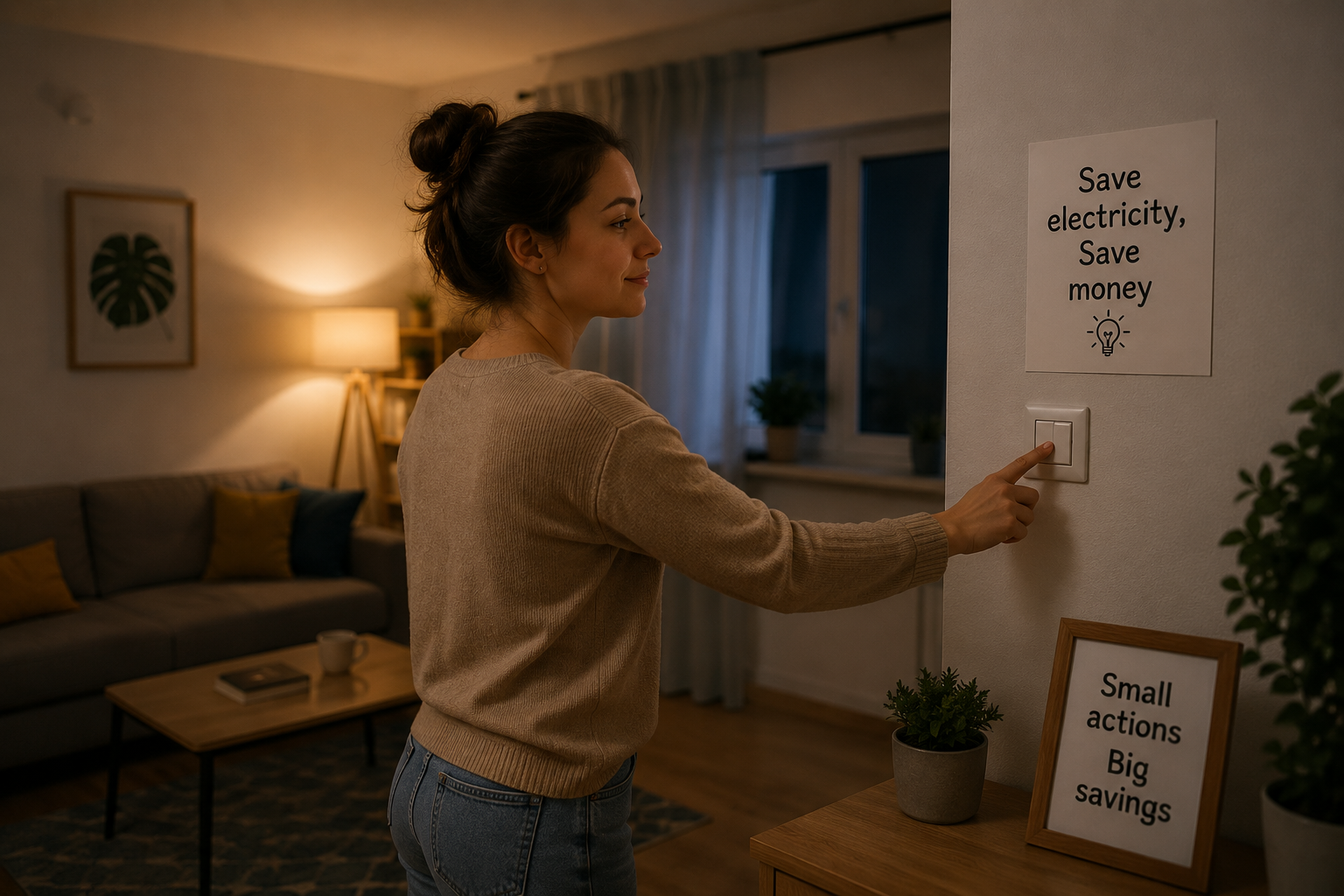
Making it a habit to turn off lights when leaving a room may seem simple, but it can lower energy costs over time.
Encouraging the entire household to participate creates even greater savings.
Use LED Light Bulbs
LED bulbs use significantly less energy than traditional incandescent bulbs.
Benefits of LED lighting include:
- Lower electricity usage
- Longer lifespan
- Reduced replacement costs
- Less heat production
Although LED bulbs may cost slightly more upfront, they often save money in the long term.
Unplug Electronics When Not in Use
Many electronic devices continue using electricity even when turned off.
This is known as “phantom energy” or standby power.
Devices that commonly consume standby electricity include:
- Televisions
- Game consoles
- Coffee makers
- Chargers
- Computers
Unplugging unused electronics or using power strips can reduce unnecessary energy consumption.
Use Appliances Efficiently
Household appliances can consume large amounts of electricity if used inefficiently.
Some useful tips include:
- Run full loads in the dishwasher and washing machine
- Wash clothes with cold water when possible
- Air dry clothes occasionally
- Avoid opening the refrigerator frequently
- Keep refrigerator seals clean and tight
Small adjustments in appliance use can create noticeable savings.
Lower Heating and Cooling Costs
Heating and air conditioning are often among the most expensive utility expenses.
Improving efficiency can significantly reduce monthly bills.
Adjust the Thermostat
Even small thermostat adjustments can lower energy costs.
During colder months:
- Lower the temperature slightly when sleeping or away from home
During warmer months:
- Set air conditioning a few degrees higher
Using programmable thermostats can help automate energy savings.
Improve Home Insulation
Poor insulation causes heating and cooling systems to work harder.
Simple ways to improve insulation include:
- Sealing doors and windows
- Using weather stripping
- Closing curtains during hot days
- Adding rugs to cold floors
Reducing air leaks helps maintain indoor temperatures more efficiently.
Use Fans When Possible
Fans use far less electricity than air conditioning systems.
Ceiling fans and portable fans can help improve comfort while reducing cooling costs.
Using fans strategically may allow you to rely less on air conditioning.
Save Money on Water Bills
Water waste can quietly increase household expenses.
Fortunately, reducing water usage is often simple.
Fix Leaks Quickly
Even small leaks can waste large amounts of water over time.
Common leaks include:
- Dripping faucets
- Running toilets
- Leaking pipes
Repairing leaks promptly prevents unnecessary water costs.
Take Shorter Showers
Reducing shower time is one of the easiest ways to lower water bills.
Shorter showers also reduce energy usage when hot water is involved.
Simple changes in daily habits can create meaningful savings over time.
Turn Off Water When Not Needed
Avoid letting water run unnecessarily while:
- Brushing teeth
- Washing dishes
- Shaving
Small daily actions can significantly reduce water consumption.
Use Water-Efficient Appliances
Modern appliances are often designed to use less water and energy.
When replacing appliances, consider energy-efficient models such as:
- Washing machines
- Dishwashers
- Water heaters
Although newer appliances may require an upfront investment, they can reduce utility costs over many years.
Reduce Internet and Subscription Costs
Utility savings are not limited to electricity and water.
Internet, phone plans, and streaming subscriptions can also affect monthly expenses.
Review Your Current Plans
Many people continue paying for services they no longer need.
Review:
- Internet packages
- Cable services
- Phone plans
- Streaming subscriptions
Downgrading or canceling unused services can free up extra money each month.
Negotiate With Service Providers
Some companies offer discounts or promotions for existing customers who ask.
Calling providers to discuss pricing may help reduce monthly costs.
Even small reductions can add up over time.
Cook More Efficiently
Kitchen habits also affect utility bills.
Some practical ways to save energy while cooking include:
- Using microwave ovens when appropriate
- Cooking multiple meals at once
- Keeping oven doors closed while baking
- Using lids on pots to reduce cooking time
Efficient cooking saves both energy and money.
Be Smart With Laundry
Laundry habits can significantly affect electricity and water usage.
Helpful laundry tips include:
- Washing full loads only
- Using cold water
- Cleaning lint filters regularly
- Air drying clothes occasionally
Reducing dryer use can noticeably lower electricity costs.
Use Natural Light During the Day
Opening curtains and blinds during daylight hours reduces the need for artificial lighting.
Natural light also creates a more pleasant living environment while helping lower electricity usage.
Monitor Energy Usage Habits
Awareness is one of the most important parts of reducing utility costs.
Many people are surprised when they begin tracking how much energy certain habits consume.
Monitoring your usage encourages smarter daily decisions.
Involve the Entire Household
Utility savings work best when everyone participates.
Teach family members to:
- Turn off lights
- Reduce water waste
- Use appliances responsibly
- Avoid unnecessary energy consumption
Shared responsibility creates stronger long-term results.
Small Changes Make a Big Difference
Many people believe saving money on utility bills requires major lifestyle changes. In reality, small consistent habits often produce the greatest long-term savings.
Simple actions repeated daily can reduce expenses significantly over time.
The key is consistency rather than perfection.
Environmental Benefits of Reducing Utility Usage
Lower utility consumption not only saves money but also reduces environmental impact.
Using less electricity and water helps conserve natural resources and supports a more sustainable lifestyle.
Financial responsibility and environmental awareness often go hand in hand.
Building Better Financial Habits at Home
Managing utility bills effectively encourages greater financial discipline overall.
The habits developed through energy saving often improve other financial behaviors, including:
- Budgeting
- Spending awareness
- Long-term planning
- Resource management
These skills support broader financial stability.
Creating a More Affordable Home
Utility bills are unavoidable, but excessive utility costs are often preventable.
By becoming more aware of your household habits and making small adjustments, you can significantly reduce monthly expenses without sacrificing comfort.
Saving money on utilities is about using resources wisely, eliminating waste, and creating smarter daily routines.
Over time, these habits can help you reduce financial stress, increase savings, and build a more secure financial future.