
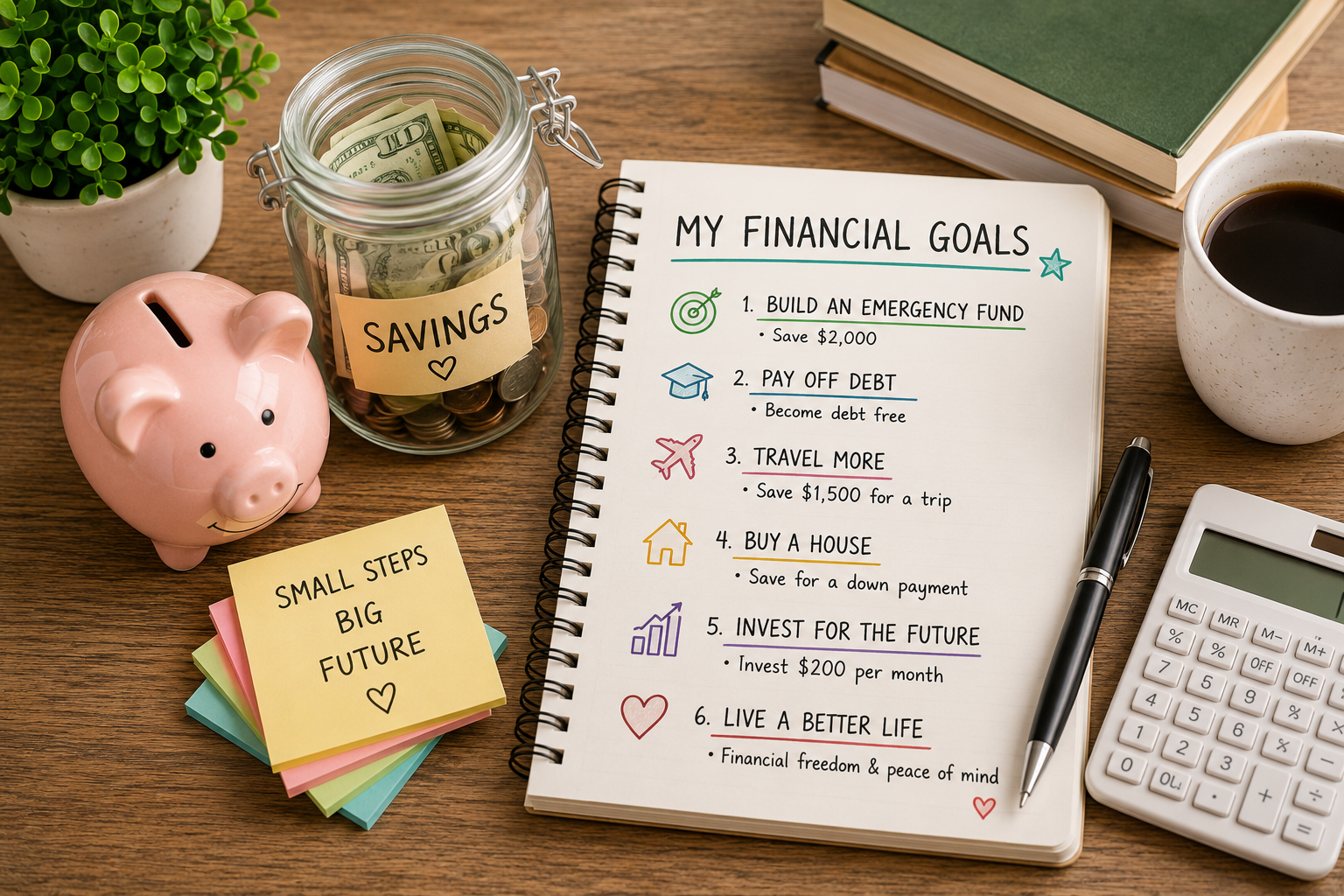
Saving money can sometimes feel overwhelming, especially in a world filled with constant advertising, rising living costs, and endless temptations to spend. Many people want to build better financial habits but struggle to stay motivated or consistent. That is why money-saving challenges have become increasingly popular. They transform saving money into a structured, motivating, and even enjoyable experience.
Instead of focusing only on restrictions, saving challenges create achievable goals and measurable progress. They help people become more mindful about spending, improve financial discipline, and build confidence over time. Whether you want to create an emergency fund, pay off debt, travel more, invest in your future, or simply stop living paycheck to paycheck, a savings challenge can help you move in the right direction.
The best part is that there is no single “perfect” challenge. Different strategies work for different personalities and financial situations. Some people enjoy gradual progress, while others prefer aggressive savings goals. Some challenges focus on reducing spending habits, while others encourage creative ways to earn extra money.
This year is the perfect opportunity to take control of your finances and try a challenge that can improve your relationship with money. In this article, you will discover some of the best money-saving challenges to try this year and how each one can help you build a stronger financial future.
Why Money-Saving Challenges Work
Many traditional budgeting methods fail because they feel too restrictive or complicated. People often lose motivation after a few weeks because the process becomes stressful. Savings challenges are different because they introduce structure, excitement, and small victories along the way.
Here are a few reasons why these challenges are so effective:
They Create Clear Goals
A challenge gives you a specific target and timeline. Instead of vaguely saying, “I want to save more money,” you commit to a measurable objective.
They Build Consistency
Saving small amounts regularly creates habits that become easier over time. Consistency matters more than perfection.
They Make Saving Fun
Tracking progress can feel rewarding and motivating. Many people enjoy seeing their savings grow week after week.
They Encourage Awareness
Challenges help people recognize unnecessary expenses and spending triggers.
They Increase Confidence
Successfully completing a challenge proves that financial improvement is possible, even with a modest income.
1. The 52-Week Savings Challenge
The 52-week savings challenge is one of the most popular financial challenges in the world because it is simple and highly effective.
The idea is straightforward:
- Save $1 during the first week
- Save $2 during the second week
- Save $3 during the third week
- Continue increasing the amount each week
By the end of the year, you will save $1,378.
This challenge works well because it starts small and becomes gradually more challenging over time. It helps people develop discipline without feeling overwhelmed in the beginning.
Tips for Success
- Use automatic transfers to a savings account
- Track your progress visually
- Adjust the amounts if necessary
- Reverse the challenge if the end-of-year amounts become difficult
Even saving half the suggested amounts can create meaningful financial progress.
2. The No-Spend Challenge
The no-spend challenge focuses on reducing unnecessary expenses for a certain period of time. You can try it for:
- One weekend
- One week
- One month
- Even an entire year with modified rules
During the challenge, you only spend money on essentials such as:
- Rent or mortgage
- Utilities
- Groceries
- Transportation
- Healthcare
Non-essential purchases are avoided completely.
This challenge is powerful because it forces people to become aware of emotional spending habits. Many individuals discover how often they buy things out of boredom, stress, or impulse rather than genuine need.
What You Learn
- How much money disappears through small purchases
- Which habits are hurting your finances
- How marketing influences spending decisions
- How to enjoy life without constant consumption
Many people save hundreds or even thousands of dollars during a successful no-spend month.
3. The Spare Change Challenge
This challenge proves that small amounts can create big results over time.
The concept is simple:
- Save all your spare coins
- Round up purchases and save the difference
- Transfer small leftover amounts into savings
Some banking apps automatically round purchases to the nearest dollar and transfer the difference into a savings account.
For example:
- Coffee costs $4.50
- The app rounds it to $5
- $0.50 goes into savings
These tiny contributions may seem insignificant, but consistency creates momentum. Many people are surprised by how quickly the savings accumulate.
Why It Works
- It feels painless
- Small amounts are psychologically easier to save
- The process becomes automatic
- It develops a “saver mindset”
This challenge is excellent for beginners who feel intimidated by large financial goals.
4. The 30-Day Rule Challenge
Impulse buying is one of the biggest obstacles to financial success. The 30-day rule challenge helps control emotional spending.
Here is how it works:
Whenever you want to buy a non-essential item, wait 30 days before purchasing it.
After 30 days, ask yourself:
- Do I still want it?
- Do I truly need it?
- Is it worth the money?
- Will it improve my life long-term?
In many cases, the desire disappears completely.
Benefits of This Challenge
- Reduces impulsive spending
- Encourages intentional purchases
- Helps separate needs from wants
- Builds patience and self-control
This challenge can save enormous amounts of money over the course of a year.
5. The Pantry Challenge
Food waste quietly destroys many household budgets. The pantry challenge helps reduce waste and unnecessary grocery shopping.
The goal is to:
- Use food you already have at home
- Avoid unnecessary grocery trips
- Create meals from existing ingredients
Many families discover forgotten food items hidden in cabinets, refrigerators, and freezers.
Why This Challenge Matters
Food waste costs households significant amounts of money every year. The pantry challenge encourages:
- Meal planning
- Creativity in the kitchen
- Better inventory management
- Smarter grocery shopping
Even completing this challenge for one or two weeks can noticeably reduce monthly food expenses.
6. The Cash Envelope Challenge
Credit cards and digital payments make spending feel less real. The cash envelope challenge creates stronger awareness around money.
The method works like this:
- Create envelopes for spending categories
- Put a fixed amount of cash into each envelope
- Spend only what is inside the envelope
Common categories include:
- Groceries
- Entertainment
- Dining out
- Shopping
- Transportation
Once the envelope is empty, you stop spending in that category.
Why It Is Effective
Physically handing over cash creates emotional awareness that digital payments often remove. People tend to spend less when using cash because they can see the money leaving their hands.
This challenge helps improve budgeting discipline very quickly.
7. The Subscription Cancellation Challenge
Many people spend large amounts every month on subscriptions they barely use.
This challenge involves reviewing every recurring payment, including:
- Streaming services
- Apps
- Gym memberships
- Software subscriptions
- Subscription boxes
Ask yourself:
- Do I use this regularly?
- Does it provide real value?
- Can I live without it?
Canceling even a few unused subscriptions can free up significant money each month.
Hidden Financial Leaks
Small monthly charges often go unnoticed because they feel insignificant individually. However, several subscriptions combined can cost hundreds or thousands of dollars annually.
This challenge helps eliminate unnecessary financial leaks.
8. The Weatherproof Savings Challenge
This creative challenge connects savings goals to weather conditions.
Examples include:
- Save $5 every time it rains
- Save $10 on sunny days
- Save money every time the temperature exceeds a certain number
The unpredictability makes the challenge feel more exciting and less repetitive.
You can customize the rules based on your goals and climate.
Why People Enjoy It
- It feels playful and spontaneous
- It adds variety to saving habits
- It creates positive associations with saving money
Sometimes making saving enjoyable is the key to long-term consistency.
9. The “Sell What You Don’t Use” Challenge
Most people own items they no longer use:
- Clothes
- Electronics
- Furniture
- Books
- Exercise equipment
- Home décor
This challenge encourages decluttering while generating extra income.
You can sell items through:
- Online marketplaces
- Social media groups
- Garage sales
- Local resale apps
Benefits Beyond Money
This challenge also promotes:
- Minimalism
- Organization
- Reduced stress
- More intentional consumption
Many people discover they can make hundreds or even thousands of dollars from unused belongings.
10. The Side Hustle Savings Challenge
Instead of focusing only on reducing spending, this challenge increases income.
The idea is simple:
Commit to saving 100% of the income earned from side work.
Examples include:
- Freelancing
- Selling products online
- Tutoring
- Pet sitting
- Delivery services
- Graphic design
- Content creation
Because this money is separate from your primary income, it often feels easier to save rather than spend.
Why It Can Be Powerful
Increasing income creates faster financial progress than cutting expenses alone. Even small side hustles can accelerate:
- Debt repayment
- Emergency fund growth
- Investing goals
- Travel savings
- Home purchases
This challenge can completely change your financial trajectory.
How to Choose the Right Savings Challenge
Not every challenge works for every person. The best challenge is the one you can realistically maintain.
Here are a few things to consider:
Your Personality
- Do you enjoy structure?
- Do you prefer flexibility?
- Are you motivated by competition?
- Do you need visible progress?
Your Financial Goals
Different challenges support different objectives:
- Debt reduction
- Emergency savings
- Vacation funds
- Investing
- Financial discipline
Your Current Situation
Choose a challenge that fits your income and responsibilities. Financial improvement should feel sustainable, not punishing.
Tips for Completing a Savings Challenge Successfully
Start Small
Many people fail because they attempt unrealistic goals. Small victories create momentum.
Automate Your Savings
Automatic transfers reduce temptation and improve consistency.
Track Progress Visually
Charts, apps, and savings trackers can boost motivation.
Stay Flexible
Unexpected expenses happen. Adjust your challenge if necessary instead of quitting entirely.
Celebrate Milestones
Reward yourself in affordable ways when you reach important goals.
Focus on Long-Term Habits
The real goal is not just temporary savings. It is developing healthier financial behavior that lasts for years.
The Bigger Impact of Saving Money
Saving money is about much more than numbers in a bank account. Strong financial habits can improve nearly every area of life.
When people gain control over their finances, they often experience:
- Reduced stress
- Better mental health
- More freedom
- Increased confidence
- Greater opportunities
- Improved relationships
- Long-term security
Financial stability creates choices. It allows people to prepare for emergencies, invest in dreams, and build a future with less fear and uncertainty.
Even small changes made consistently can create powerful results over time.
Money-saving challenges are more than temporary trends. They are practical tools that help people develop healthier financial habits in a realistic and motivating way.
Whether you choose the 52-week challenge, a no-spend month, the cash envelope method, or a side hustle savings strategy, the important thing is taking action. Every dollar saved represents progress toward greater financial freedom and peace of mind.
You do not need to be wealthy to improve your finances. You simply need consistency, patience, and a willingness to make intentional choices.
This year can become the turning point in your financial journey. The challenge you start today could help you build the discipline, confidence, and stability that benefit you for many years to come.
Remember that financial success is rarely built overnight. It is built through small decisions repeated consistently over time. The sooner you begin, the sooner you create opportunities for a more secure, balanced, and rewarding future.
Parte superior do formulário
Parte inferior do formulário