
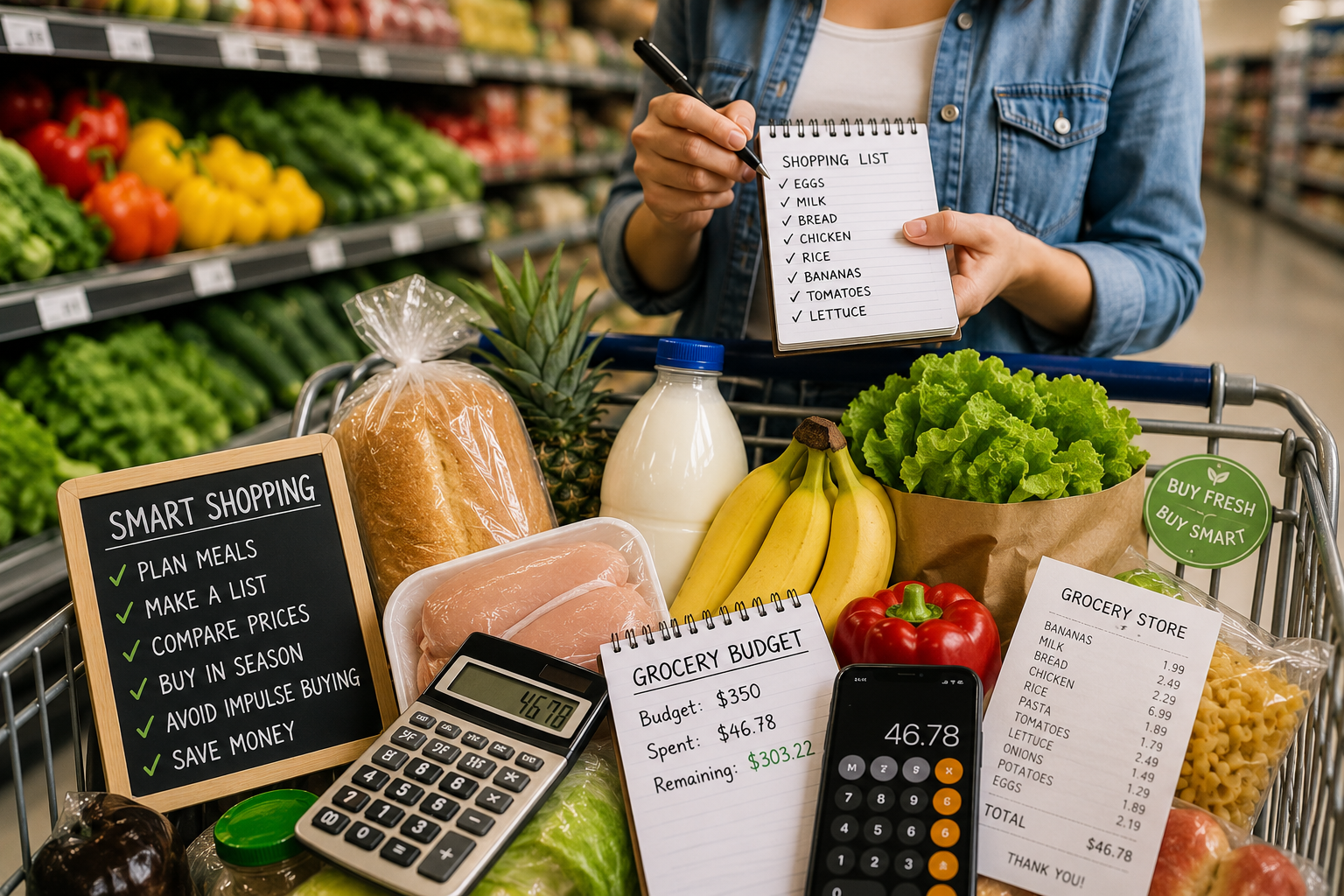
Grocery shopping is one of the biggest monthly expenses for many households. While buying food is essential, grocery bills can quickly become overwhelming without proper planning and smart spending habits. Rising food prices, impulse purchases, and poor meal planning often cause people to spend far more than necessary.
The good news is that saving money on groceries does not mean sacrificing quality or eating unhealthy meals. With a few practical strategies, you can reduce your grocery expenses while still enjoying nutritious and satisfying food.
Smart grocery shopping is about making intentional choices, avoiding waste, and creating better financial habits. Small improvements in the way you shop can lead to significant savings over time.
Why Grocery Spending Gets Out of Control
Many people overspend at grocery stores without realizing it. Supermarkets are carefully designed to encourage spending through promotions, product placement, and marketing techniques.
Some common reasons grocery bills become expensive include:
- Shopping without a list
- Buying unnecessary snacks
- Shopping while hungry
- Wasting food at home
- Purchasing convenience items
- Falling for marketing promotions
- Not comparing prices
- Frequent grocery trips
Understanding these habits is the first step toward spending less and shopping more efficiently.
Create a Grocery Budget
One of the best ways to control food expenses is to create a monthly grocery budget.
A grocery budget helps you:
- Track spending
- Avoid overspending
- Plan meals more carefully
- Prioritize essential items
Start by reviewing your current grocery spending over the past few months. Then set a realistic limit based on your income and household needs.
Remember that your budget should be practical and sustainable. Extreme restrictions often lead to frustration and poor long-term results.
Plan Your Meals Before Shopping
Meal planning is one of the most effective ways to reduce grocery costs.
When you know exactly what meals you will prepare during the week, you can buy only the ingredients you truly need.
Meal planning also helps:
- Reduce food waste
- Prevent unnecessary purchases
- Save time
- Simplify cooking decisions
Before shopping, create a list of breakfast, lunch, dinner, and snack ideas for the week.
Simple meal planning can dramatically reduce impulse buying at the store.
Always Shop With a Grocery List
A shopping list is one of the most powerful tools for saving money.
Without a list, people are far more likely to buy unnecessary items and forget important ingredients.
Before leaving home:
- Check your pantry and refrigerator
- Write down needed items
- Organize your list by store sections
- Stick to the list while shopping
Following a list helps maintain discipline and prevents emotional spending.
Avoid Shopping While Hungry
Shopping while hungry often leads to impulse purchases and unhealthy food choices.
When people shop hungry, they tend to buy:
- Extra snacks
- Processed foods
- Sugary items
- Unplanned convenience products
Eating a small meal or snack before grocery shopping can help you make better decisions and reduce unnecessary spending.
Compare Prices Carefully
Many shoppers buy products automatically without comparing prices.
Learning to compare prices can lead to substantial savings over time.
Important tips include:
- Compare brands
- Check price per unit
- Look at different package sizes
- Compare store promotions
Sometimes larger packages offer better value, but not always. Checking unit prices helps identify the most cost-effective option.
Buy Store Brands
Store-brand products are often significantly cheaper than name brands while offering very similar quality.
Many grocery stores sell private-label items for:
- Pasta
- Rice
- Cereal
- Frozen foods
- Dairy products
- Cleaning supplies
Trying generic brands can reduce grocery bills without noticeable differences in taste or quality.
Use Coupons Wisely
Coupons can help reduce costs, but only when used strategically.
Avoid buying products simply because you have a coupon. Instead, focus on discounts for items you already plan to purchase.
Digital coupons, loyalty programs, and store apps can provide useful savings opportunities.
However, remember that buying unnecessary items with coupons still wastes money.
Buy Seasonal Produce
Fruits and vegetables are usually cheaper when they are in season.
Seasonal produce is often:
- More affordable
- Fresher
- Better tasting
Local markets and seasonal sales can offer excellent value for healthy foods.
Frozen fruits and vegetables are also good budget-friendly options because they last longer and reduce waste.
Reduce Food Waste at Home
Food waste quietly increases grocery expenses.
Many households throw away food because they:
- Buy too much
- Forget leftovers
- Store food improperly
- Ignore expiration dates
Reducing food waste can significantly improve your grocery budget.
Simple ways to waste less food include:
- Using leftovers creatively
- Freezing extra ingredients
- Organizing the refrigerator
- Cooking appropriate portion sizes
Using what you already have before shopping again can save a surprising amount of money.
Limit Processed and Convenience Foods
Pre-packaged meals and convenience foods often cost far more than homemade alternatives.
Items like:
- Pre-cut fruit
- Frozen dinners
- Snack packs
- Prepared meals
usually carry higher prices due to convenience.
Cooking simple meals at home is often healthier and much cheaper.
Buy in Bulk Carefully
Bulk shopping can save money when done correctly.
Good bulk items include:
- Rice
- Pasta
- Beans
- Oats
- Toilet paper
- Cleaning products
However, bulk purchases only save money if the items are actually used before expiring.
Avoid buying large quantities of perishable foods unless you are certain they will be consumed.
Choose Affordable Protein Sources
Protein is often one of the most expensive parts of a grocery budget.
To save money, consider lower-cost protein options such as:
- Eggs
- Beans
- Lentils
- Canned tuna
- Peanut butter
- Chicken thighs
Plant-based proteins can also help reduce grocery costs while supporting healthy eating habits.
Shop Less Frequently
Frequent grocery trips often lead to additional impulse purchases.
Every extra visit increases the temptation to buy unnecessary items.
Many people save money by limiting grocery shopping to:
- Once per week
- Once every two weeks
Planning ahead reduces emergency shopping and improves budget control.
Be Careful With Sales and Promotions
Sales can be helpful, but they can also encourage overspending.
Stores often use promotions to create a sense of urgency.
Before purchasing sale items, ask yourself:
- Do I actually need this?
- Will I use it before it expires?
- Is it truly a good value?
Not every discount leads to real savings.
Use Cash When Possible
Paying with cash can improve spending awareness.
When people physically hand over money, they often spend more carefully compared to using credit or debit cards.
Some shoppers use a cash envelope system specifically for groceries to stay within budget.
Cook More Meals at Home
Restaurant meals and takeout are usually far more expensive than home cooking.
Preparing meals at home allows you to:
- Control ingredients
- Reduce food costs
- Create healthier meals
- Save money consistently
Even learning a few simple recipes can make a major difference in monthly food expenses.
Keep Simple Budget-Friendly Meals Available
Having affordable meal ideas ready can reduce the temptation to order expensive takeout.
Examples include:
- Rice and beans
- Pasta dishes
- Vegetable soups
- Omelets
- Stir-fries
- Homemade sandwiches
Simple meals can still be delicious, nutritious, and affordable.
Track Your Grocery Spending
Monitoring grocery expenses helps identify spending patterns and opportunities for improvement.
Keep receipts or use budgeting apps to review:
- Monthly totals
- Impulse purchases
- Expensive habits
- Areas for savings
Awareness often leads to smarter financial decisions.
Teach the Whole Household Better Habits
Saving money on groceries works best when everyone in the household participates.
Encourage family members to:
- Avoid wasting food
- Help with meal planning
- Understand budgeting goals
- Make thoughtful food choices
Teamwork can improve both finances and household organization.
Small Grocery Changes Create Big Savings
Many people believe they need extreme sacrifices to reduce grocery expenses. In reality, small consistent habits often produce the best long-term results.
Simple improvements like meal planning, shopping with a list, and reducing waste can save hundreds or even thousands of dollars each year.
The goal is not perfection but smarter financial choices.
Building Better Financial Habits Through Grocery Shopping
Grocery shopping is more than buying food. It is an opportunity to practice budgeting, planning, and disciplined spending.
The habits developed while grocery shopping often improve other areas of personal finance as well.
By becoming more intentional with food spending, you can reduce financial stress, increase savings, and build a healthier relationship with money over time.
Smart grocery shopping is not about deprivation. It is about making thoughtful choices that support both your financial goals and your overall well-being.