
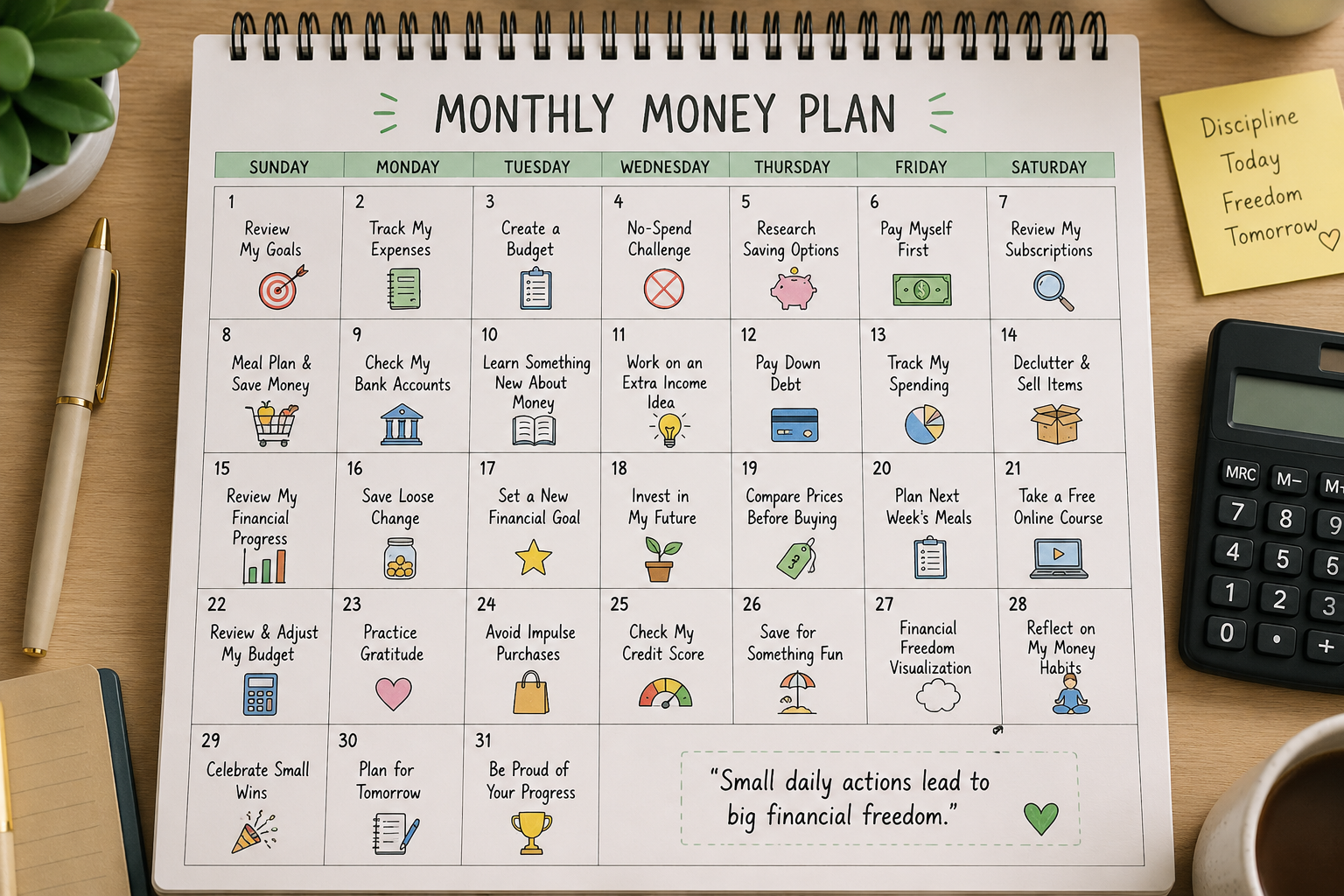
Many people want to improve their financial lives. They dream of saving more money, investing consistently, reducing debt, building wealth, and creating greater financial freedom. At the beginning of this journey, motivation often feels strong. A person may watch an inspiring video, read a financial success story, or decide to completely change their money habits overnight.
However, motivation alone rarely creates long-term financial success.
Motivation is temporary by nature. It changes based on emotions, energy levels, stress, and life circumstances. Some days people feel highly inspired to save money or work toward financial goals. On other days, they may feel tired, discouraged, or tempted to abandon their plans.
This is where financial discipline becomes far more important.
Financial discipline is the ability to continue making responsible financial decisions even when motivation disappears. It involves consistency, patience, self-control, and long-term thinking. Discipline allows people to build healthy financial habits that continue regardless of mood or temporary emotional challenges.
Many financially successful people are not constantly motivated. Instead, they develop systems and habits that help them stay consistent over time.
Discipline affects many areas of financial life, including:
- Saving money
- Investing regularly
- Avoiding unnecessary debt
- Budgeting responsibly
- Managing spending habits
- Building long-term wealth
The good news is that discipline is not something people are born with. It can be developed gradually through awareness, practice, and intentional habits.
This article explores why financial discipline matters more than motivation, how discipline supports long-term financial growth, and practical ways to strengthen financial self-control.
Motivation Is Temporary
Motivation often comes from emotion.
People may feel motivated after:
- Watching financial videos
- Reading inspiring books
- Receiving a paycheck
- Setting new goals
- Seeing success stories online
While motivation can be useful for starting positive changes, it usually fades over time.
Life includes:
- Stress
- Unexpected expenses
- Emotional challenges
- Fatigue
- Distractions
During these moments, motivation becomes unreliable.
If financial success depended only on feeling inspired every day, many goals would never be achieved.
Discipline becomes important because it allows people to continue making healthy financial decisions even when motivation is low.
Discipline Creates Consistency
Financial success is often built through small actions repeated consistently over long periods.
Examples include:
- Saving money every month
- Investing regularly
- Paying bills on time
- Avoiding impulsive purchases
- Following a budget
These habits may not feel exciting daily, but consistency creates powerful long-term results.
Discipline helps transform temporary goals into sustainable behaviors.
Small consistent habits are often more valuable than occasional bursts of motivation.
Building Wealth Requires Long-Term Thinking
Many financial goals require years of commitment.
Examples include:
- Retirement savings
- Investing
- Paying off debt
- Building emergency funds
- Buying a home
- Achieving financial independence
Long-term financial growth rarely happens quickly.
Patience and discipline allow people to continue progressing even when results feel slow.
Compound growth especially rewards disciplined behavior.

Consistent investing over time often creates stronger results than emotional financial decisions based on short-term motivation.
Financial Discipline Helps Control Emotional Spending
Many financial problems are connected to emotional behavior.
People often spend money because of:
- Stress
- Anxiety
- Boredom
- Social pressure
- Desire for comfort
- Impulsive emotions
Motivation may temporarily encourage better spending habits, but discipline creates lasting self-control.
Disciplined individuals often:
- Think before purchasing
- Follow spending plans
- Avoid unnecessary debt
- Prioritize long-term goals over temporary pleasure
This emotional control becomes extremely valuable over time.
Discipline Reduces Financial Stress
Financial stress often comes from:
- Overspending
- Lack of planning
- Debt accumulation
- Poor saving habits
Financial discipline helps reduce uncertainty by encouraging healthier financial routines.
Examples include:
- Creating budgets
- Building emergency savings
- Tracking expenses
- Planning ahead
These habits create greater stability and reduce panic during unexpected situations.
While discipline may require effort initially, it often creates greater peace of mind later.
Motivation Often Depends on Feelings
One major weakness of motivation is that it depends heavily on emotions.
People naturally experience emotional ups and downs.
Some days individuals feel:
- Energetic
- Focused
- Optimistic
Other days they may feel:
- Tired
- Frustrated
- Discouraged
- Overwhelmed
If financial behavior changes constantly based on emotions, consistency becomes difficult.
Discipline allows people to continue moving forward regardless of temporary feelings.
This stability is essential for long-term financial improvement.
Discipline Helps During Difficult Financial Periods
Life is unpredictable.
People may experience:
- Job loss
- Economic uncertainty
- Medical emergencies
- Unexpected expenses
- Market downturns
During stressful periods, motivation may disappear completely.
Disciplined financial habits provide structure during uncertainty.
For example:
- Emergency savings help during crises
- Consistent budgeting prevents chaos
- Disciplined investing reduces emotional panic
Strong financial habits create resilience during difficult moments.
Avoiding Instant Gratification
Modern culture encourages instant gratification.
People are constantly exposed to:
- Online shopping
- Luxury lifestyles
- Fast success stories
- Consumer advertising
- Social media comparison
Discipline helps people resist the pressure to satisfy every immediate desire.
Financially disciplined individuals often prioritize:
- Long-term security
- Future goals
- Financial freedom
Over short-term emotional satisfaction.
This mindset can significantly improve financial stability over time.
Discipline Supports Better Investing Habits
Investing success is often strongly connected to discipline.
Emotional investors may:
- Panic during market declines
- Chase risky trends
- Buy impulsively
- Sell out of fear
Disciplined investors usually:
- Invest consistently
- Think long term
- Remain calm during volatility
- Avoid emotional reactions
This emotional stability often improves long-term investment results.
Patience and consistency frequently outperform emotional decision-making.
Healthy Financial Habits Become Easier Over Time
At first, financial discipline may feel difficult.
Saving money, budgeting, or reducing spending often requires conscious effort initially.
However, repeated behaviors gradually become habits.
Over time:
- Budgeting feels more natural
- Saving becomes automatic
- Impulse spending decreases
- Financial planning becomes routine
Habits reduce the need for constant motivation because disciplined actions become part of everyday life.
Discipline Encourages Accountability
Financial discipline often increases personal accountability.
Disciplined individuals tend to:
- Track financial progress
- Monitor spending
- Review goals regularly
- Take responsibility for decisions
Accountability improves awareness and helps people identify areas needing improvement.
Avoiding financial problems or ignoring money habits often increases stress and instability.
Motivation Starts the Journey, Discipline Continues It
Motivation is not useless.
In fact, motivation can be very valuable at the beginning of financial change.
Motivation may encourage people to:
- Open investment accounts
- Start budgeting
- Learn about money
- Set goals
However, discipline is what sustains progress long after initial excitement fades.
Long-term financial success usually depends more on repeated actions than emotional inspiration.
Discipline Improves Confidence
Financial discipline often increases self-confidence over time.
When people consistently:
- Save money
- Reduce debt
- Follow budgets
- Reach financial goals
They begin trusting their ability to manage money responsibly.
This confidence creates positive momentum and encourages continued improvement.
Financial confidence usually grows through action rather than motivation alone.
Small Disciplined Actions Create Big Results
Many people underestimate the power of small consistent habits.
Examples include:
- Saving a little each month
- Avoiding small unnecessary purchases
- Investing regularly
- Tracking expenses consistently
These actions may seem minor individually, but over many years they can produce significant financial change.
Discipline focuses on gradual progress instead of dramatic overnight transformation.
Technology Can Challenge Financial Discipline
Modern technology creates both opportunities and temptations.
Online shopping, instant payments, and social media advertising make impulsive spending easier than ever.
Financial discipline becomes increasingly important in digital environments filled with constant consumer pressure.
Helpful strategies may include:
- Limiting unnecessary online browsing
- Turning off shopping notifications
- Using automatic savings systems
- Tracking digital spending
Awareness helps strengthen self-control.
Financial Discipline Supports Freedom
Some people view discipline as restrictive.
In reality, healthy financial discipline often creates greater freedom.
Disciplined financial habits may lead to:
- Reduced debt
- Greater savings
- Investment growth
- Lower stress
- More career flexibility
- Increased independence
Temporary sacrifices often create long-term opportunities.
Discipline is not about deprivation. It is about intentional decision-making.
Practical Ways to Strengthen Financial Discipline
Create Clear Financial Goals
Specific goals increase focus and accountability.
Automate Savings and Investments
Automation reduces emotional decision-making.
Track Spending Regularly
Awareness improves financial control.
Avoid Emotional Shopping
Pause before making unnecessary purchases.
Focus on Long-Term Benefits
Think beyond temporary gratification.
Continue Financial Education
Learning strengthens confidence and discipline.
Build Realistic Budgets
Sustainable plans are easier to maintain long term.
Discipline Helps Build Generational Stability
Strong financial habits do not only affect individuals.
They may also influence:
- Families
- Children
- Future generations
Responsible financial behavior can help create:
- Better opportunities
- Greater stability
- Healthier money habits within families
Discipline often creates long-term positive effects beyond personal finances alone.
Final Thoughts
Motivation can inspire people to begin improving their financial lives, but discipline is what creates lasting results. Since motivation naturally changes over time, relying on it alone often leads to inconsistency and frustration.
Financial discipline allows people to continue making healthy decisions even during stressful, emotional, or difficult periods. Consistent habits such as saving, budgeting, investing, and controlling spending can gradually build long-term financial stability and confidence.
True financial success is rarely about perfection or constant inspiration. More often, it is the result of small disciplined actions repeated consistently over many years.
Developing financial discipline takes time, patience, and self-awareness, but the rewards can be significant. Greater peace of mind, reduced financial stress, increased opportunities, and long-term financial freedom are often built through disciplined daily habits.
In the end, motivation may help people start their journey, but discipline is what helps them reach their destination.