
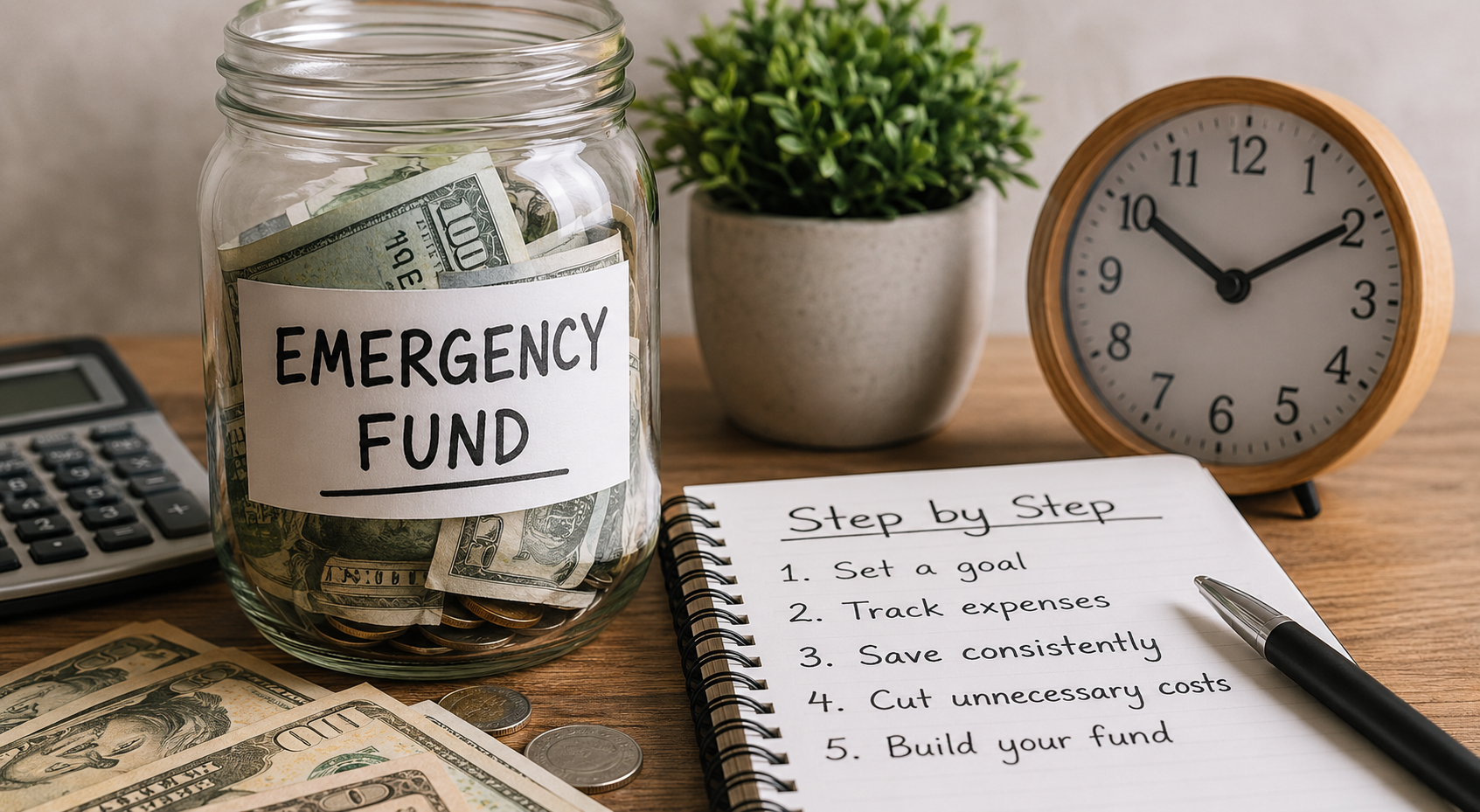
Unexpected expenses can happen at any time. A car repair, medical bill, job loss, or urgent home maintenance issue can quickly create financial stress if you are not prepared. That is why building an emergency fund is one of the smartest financial habits anyone can develop.
An emergency fund acts as a financial safety net. Instead of relying on credit cards or loans during difficult moments, you can use your savings to handle emergencies with less stress and fewer long-term financial consequences.
The good news is that building an emergency fund does not require a high salary or financial expertise. With consistency, planning, and realistic goals, anyone can create a solid emergency savings account over time.
What Is an Emergency Fund?
An emergency fund is money set aside specifically for unexpected expenses or financial emergencies. This savings should only be used for situations that are urgent and necessary.
Examples of true emergencies include:
- Medical emergencies
- Car repairs
- Emergency travel
- Job loss
- Essential home repairs
- Unexpected bills
An emergency fund is not meant for vacations, shopping, entertainment, or non-essential purchases. The purpose is to protect your financial stability when life becomes unpredictable.
Why an Emergency Fund Matters
Many people live paycheck to paycheck and struggle when unexpected expenses appear. Without savings, they often turn to high-interest debt, which can create long-term financial problems.
An emergency fund offers several important benefits:
Reduces Financial Stress
Knowing that you have money available for emergencies can provide peace of mind. Financial stress affects sleep, relationships, and mental health, so having savings can improve overall well-being.
Prevents Debt Accumulation
Using credit cards or loans during emergencies often leads to interest charges and long repayment periods. Emergency savings help you avoid borrowing money when problems arise.
Protects Your Financial Goals
Without emergency savings, unexpected expenses can force you to stop investing, delay important purchases, or miss bill payments. A financial cushion helps you stay on track with your long-term goals.
Provides Greater Independence
Having emergency savings gives you more flexibility in difficult situations, including career changes or temporary income loss.
Step 1: Set a Realistic Savings Goal
The first step is deciding how much money you want to save.
Many financial experts recommend saving three to six months of living expenses. However, this amount can feel overwhelming for beginners.
Instead of focusing only on the final goal, break it into smaller milestones.
For example:
- First goal: $500
- Second goal: $1,000
- Third goal: One month of expenses
- Final goal: Three to six months of expenses
Starting small helps build momentum and confidence.
Step 2: Calculate Your Monthly Expenses
To know how much you may eventually need, calculate your essential monthly expenses.
Include necessities such as:
- Rent or mortgage
- Utilities
- Groceries
- Insurance
- Transportation
- Minimum debt payments
- Healthcare expenses
Do not include optional spending like entertainment or luxury purchases.
Understanding your monthly expenses helps you create a realistic emergency savings target.
Step 3: Create a Dedicated Savings Account
Keeping emergency savings separate from your regular checking account can help prevent unnecessary spending.
Look for a savings account that offers:
- Easy access during emergencies
- Low or no fees
- Secure banking options
- Competitive interest rates
A dedicated account also makes it easier to track your progress and stay motivated.
Step 4: Start Saving Consistently
Consistency matters more than saving large amounts occasionally.
Even small contributions can grow significantly over time. If possible, choose a fixed amount to save every week or month.
Examples include:
- $10 per week
- $25 per paycheck
- $50 per month
The key is building the habit of saving regularly.
Automatic transfers can make the process easier. Scheduling automatic deposits into your savings account reduces the temptation to spend the money elsewhere.
Step 5: Cut Unnecessary Expenses
Finding extra money for savings often requires reviewing your spending habits.
Look for areas where you can reduce expenses without harming your quality of life.
Possible ways to save include:
Reduce Dining Out
Cooking meals at home more often can lower monthly expenses significantly.
Cancel Unused Subscriptions
Many people pay for streaming services, apps, or memberships they rarely use.
Limit Impulse Purchases
Waiting before making non-essential purchases can help reduce unnecessary spending.
Shop Smarter
Using coupons, buying generic brands, and comparing prices can lead to meaningful savings over time.
Small spending adjustments can create additional room in your budget for emergency savings.
Step 6: Increase Your Income When Possible
While reducing expenses helps, increasing your income can accelerate your savings progress.
Some practical ideas include:
- Freelance work
- Selling unused items
- Part-time jobs
- Online services
- Pet sitting
- Tutoring
- Delivery services
Even temporary side income can make a noticeable difference when building an emergency fund.
Step 7: Protect Your Emergency Fund
Once you begin saving, it is important to avoid using the money for non-emergency situations.
Before withdrawing money, ask yourself:
- Is this expense unexpected?
- Is it necessary?
- Is it urgent?
If the answer is no, try to cover the expense using your regular budget instead.
Protecting your emergency fund helps ensure it is available when you truly need it.
Step 8: Rebuild After Using It
Using your emergency fund is normal. Emergencies happen, and that is exactly why the savings exist.
After using part of the fund, make rebuilding it a priority.
Resume regular contributions as soon as possible so your financial safety net remains strong.
Common Mistakes to Avoid
Building an emergency fund takes time, and certain mistakes can slow your progress.
Setting Unrealistic Goals
Trying to save a huge amount too quickly can lead to frustration. Focus on gradual progress instead.
Keeping Savings Too Accessible
If your emergency money is mixed with daily spending funds, you may be tempted to use it unnecessarily.
Ignoring Small Savings Opportunities
Many people underestimate how quickly small amounts can add up over time.
Stopping After Reaching the First Goal
Saving your first $500 or $1,000 is excellent progress, but continuing to build the fund provides greater protection.
How Long Does It Take to Build an Emergency Fund?
The timeline depends on factors such as income, expenses, and savings habits.
Some people may save their first $1,000 within a few months, while larger goals may take several years.
The important thing is making steady progress rather than comparing yourself to others.
Financial improvement is a long-term process.
Emergency Fund Tips for Different Situations
For Single Individuals
Single-income households may benefit from larger emergency funds since there is no second income for support during difficult periods.
For Families
Families often face higher monthly expenses, so building a larger emergency fund can provide added security.
For Freelancers or Self-Employed Workers
People with irregular income should consider saving more due to potential fluctuations in earnings.
For Students
Even a small emergency fund can help students avoid unnecessary debt during unexpected situations.
The Emotional Benefits of Emergency Savings
An emergency fund does more than improve finances. It also improves confidence and emotional stability.
People with savings often feel:
- More secure
- Less anxious
- Better prepared for challenges
- More in control of their future
Financial confidence grows over time as savings increase.
Building Financial Discipline Through Saving
Emergency savings also help develop important money management habits.
You learn how to:
- Budget effectively
- Delay gratification
- Prioritize needs over wants
- Plan for the future
These skills support long-term financial success in many areas of life.
Small Steps Lead to Big Results
Many people delay saving because they believe they need large amounts of money to start. In reality, beginning with small contributions is far better than waiting for the perfect moment.
Saving consistently over time creates lasting financial stability.
Even modest emergency savings can make a major difference during difficult situations.
Creating a Strong Financial Foundation
An emergency fund is one of the most important building blocks of personal finance. It provides security, reduces stress, and helps protect your future goals from unexpected setbacks.
The process may seem slow at first, but every contribution matters. Building financial stability happens one step at a time.
By setting realistic goals, spending wisely, and saving consistently, you can create an emergency fund that supports you during life’s uncertainties and helps you feel more confident about your financial future.